





The Fundamental Role of Lighting in Luxury Hotel Design
In luxury hotel design, lighting not only provides visibility for spaces but also shapes the overall atmosphere and brand identity of the hotel. In a meticulously planned hotel, lighting design can influence guests’ emotional responses and offer an unforgettable experience.
Balance of Aesthetics and Functionality
Each area, from the hotel lobby to guest rooms, restaurants to spa areas, requires a unique atmosphere. For example, lighting elements used in the lobby enhance the first impression, while in rooms, creating a warmer and inviting atmosphere is important. Decorative lighting enhances the aesthetic appeal of these spaces, while functional lighting provides comfort and practicality.
Psychological Effects of Lighting
Proper lighting choices can affect the mood of guests and their feelings during their stay at the hotel. Soft, warm-toned lighting creates a relaxing and peaceful environment, while brighter and cooler tones can evoke a sense of energy and dynamism. These psychological effects are crucial in completing the luxury hotel experience.
Energy Efficiency and Sustainability
In modern hotel designs, sustainability and energy efficiency are gaining increasing importance. LED technologies and automatic control systems reduce energy consumption, minimizing environmental impacts and lowering operational costs. The integration of such technologies enhances the hotel’s value by combining luxury and sustainability.
Lighting Solutions in Hotel Spaces
Luxury hotels offer specially designed lighting solutions for each area. These solutions support the unique function and atmosphere of each space.
Lobby and Reception Lighting
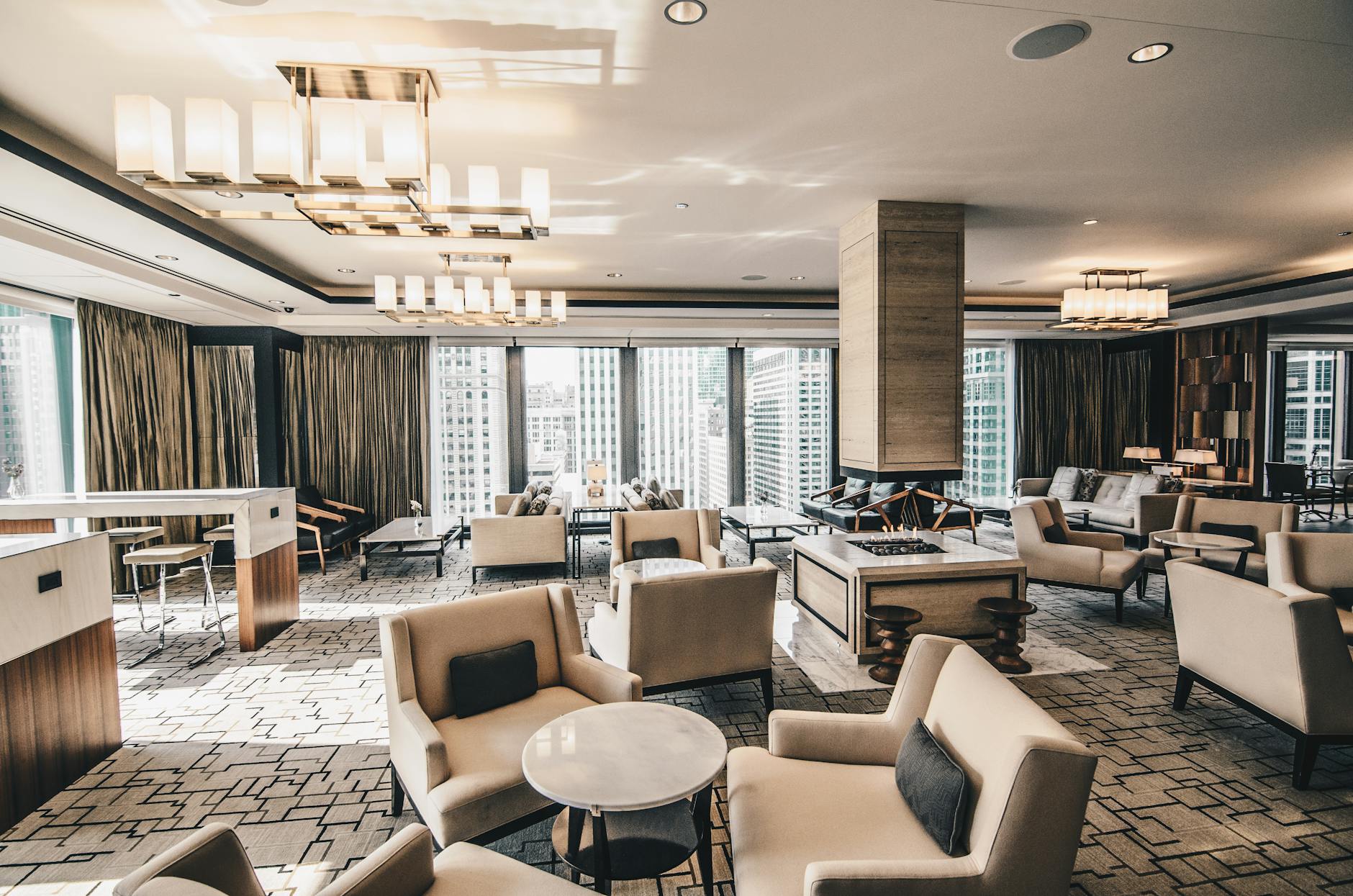
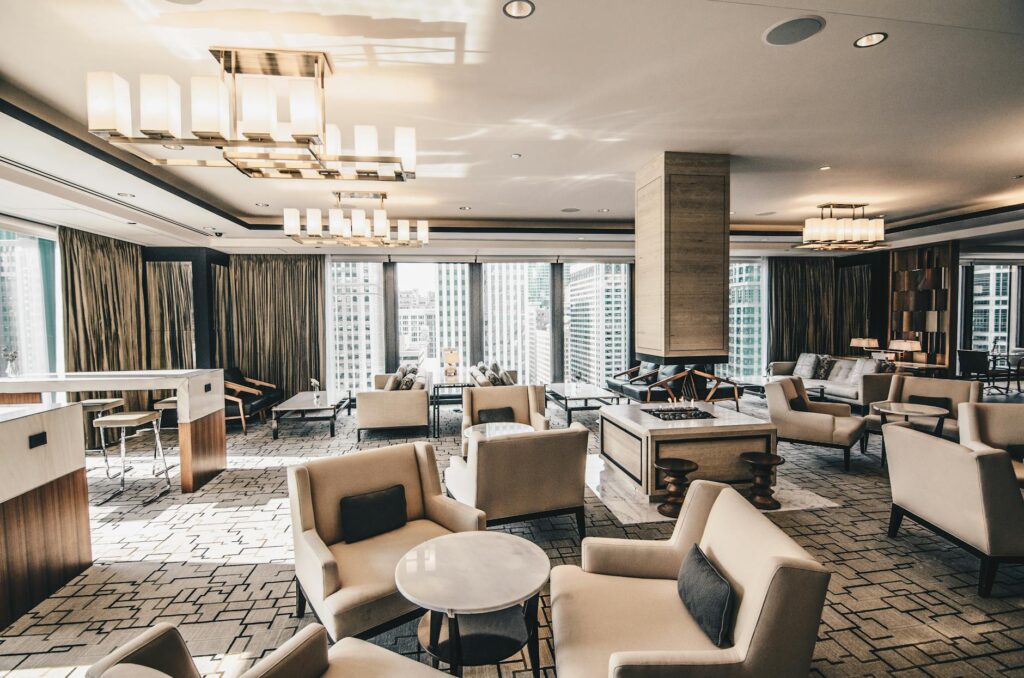
Lobbies are the places where a hotel welcomes guests and makes the first impression. Large and ostentatious chandeliers used in these areas can reinforce the perception of luxury. Additionally, task lighting should be designed to facilitate the work of staff in the reception area.
Room Lighting
Guest rooms should be considered personal spaces and possess a lighting design that prioritizes comfort. Adjustable light levels allow guests to create an environment that suits their mood. Bedside lamps, reading lights, and ambient lighting enhance the functionality and comfort of the rooms.
Restaurant and Bar Lighting
Restaurants and bars are areas with intense social interactions. The lighting used in these spaces should ensure that the atmosphere is warm and inviting. Designed light plays and focal points enhance the presentation of food and drinks, enriching the guest experience.
Spa and Relaxation Area Lighting
Spa and relaxation areas focus on relaxation and rejuvenation. Soft-toned, low-intensity lighting used in these areas increases the sense of peace and tranquility. Additionally, the use of natural light promotes naturalness and comfort in these areas.
The Impact of Lighting on Brand Identity
Luxury hotel lighting can reflect a hotel’s brand identity and values. Unique lighting designs are an effective way to tell the hotel’s story and create a unique image. Innovative and creative solutions in lighting design help the hotel stand out in a competitive market.
In conclusion, lighting in luxury hotel designs goes beyond being just a decorative element and becomes a multidimensional tool that directly affects the guest experience. Well-planned lighting solutions enhance the overall aesthetics, functionality, and brand perception of the hotel. Therefore, lighting design should be addressed in detail and be an integral part of the entire design process in luxury hotel projects.
Lighting Stories That Add Character to Your Spaces
Discover Songül Lighting’s design-focused solutions.